
10 years ago, chefs like Jamie Oliver sparked outrage with their method of cooking it, but has anything changed?
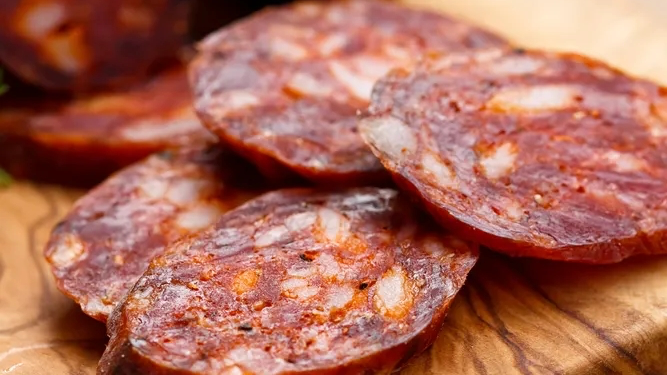
As the child of a Spanish mother and someone who has grown up savouring authentic Spanish cuisine, I find it fascinating to see how others interpret and reimagine our traditional dishes. However, one thing that constantly stirs frustration – if not outright indignation – among many Spaniards, myself included, is the British take on chorizo.
This versatile ingredient is growing in popularity, but it is often misunderstood or used incorrectly. Spanish chorizo, a type of pork sausage from the Iberian Peninsula, is a fermented, cured, and smoked delicacy known for its rich smokiness and deep colour. It can be enjoyed sliced and uncooked or incorporated into recipes to enhance the flavour of various dishes.
In recent years, this ingredient has seen a surge in popularity across British supermarkets. According to ChefPublishing.com, sales of Consortium-labelled chorizo in the UK reached an impressive 1.69 million kilos between January and September 2023 – a 28% increase compared to the same period the previous year. This is particularly noteworthy when considering that the UK is the Consortium’s largest export market, accounting for 60% of its exports. However, despite its growing popularity, chorizo is often misused in British kitchens, with many adding it to dishes where it simply doesn’t belong.
For example, chorizo was never intended to be part of a traditional paella, making its inclusion a contentious issue among Spaniards. Many view it as an inauthentic twist that misrepresents their culinary traditions. This debate came to a head eight years ago when Jamie Oliver revamped a paella recipe by adding chorizo and chicken, sparking widespread outrage. One comment under his recipe bluntly stated, “Adding chorizo to a paella should be an offence”. Moreover, the Spanish blog Embutidos Entrepeñas criticised Oliver for frequently incorporating chorizo into recipes with little connection to Spanish gastronomy. The blog further claimed that Oliver’s approach has encouraged practices in the UK that would horrify purist Spanish chefs. Because of Oliver, many Britons now mistakenly believe chorizo to be essential to the iconic dish.

This controversy reignited last year when two Valencian comedians staged a lighthearted protest in London, urging Brits to stop adding the sausage to Spain’s dish. Holding signs with messages like “No more chorizo in the paella, please”, the duo humorously called attention to a topic that strikes a nerve for many Spaniards. The debate over what constitutes a true paella has even prompted academic inquiry, including a study by the Universidad Católica de Valencia (UCV). One thing remains undisputed across Spain: chorizo does not belong in paella. In a cheeky act of retaliation, the comedians released a video – watched nearly 133,000 times – mocking the British obsession with chorizo. In the video, they pretend to enjoy a quintessentially British cup of tea and add chorizo to their cups. With exaggerated irony, they proclaim, “we British people love chorizo everywhere”.
A similar uproar erupted seven years ago when a nontraditional Spanish tortilla recipe took the internet by storm. A video shared on X showcased a tortilla made with chorizo in addition to the classic eggs, potatoes and optional onion. The recipe quickly went viral, prompting an outcry from Spaniards who were swift to declare that such a twist on their culinary tradition was simply unacceptable.
Yet, the trend of adding chorizo to absolutely everything still persists. In August 2023, Marks & Spencer introduced a controversial twist with their £5.50 chorizo paella croquetas. Unlike the classic croquetas – made with chicken, jamón serrano or fish and béchamel sauce – these featured paella rice, chorizo, saffron, and béchamel, straying far from the traditional recipe. The dish quickly drew criticism, especially after a photo was shared on X. One outraged Spanish user wrote: “We should retaliate by selling fish and chips soaked in tea or something of the sort”. Even Hugh Elliott, the former British Ambassador to Spain, joined the conversation, condemning the dish as “wrong on every level”.
In response to this culinary confusion, Spanish chef Omar Allibhoy took it upon himself to educate British audiences by writing a book titled ‘Paella’. This cookbook provides over 50 recipes ranging from the traditional Valencian paella to fish, meat and vegetarian variations. In an interview with Directo al Paladar in May this year, Allibhoy expressed his surprise at “how little people knew about Spanish cuisine” which shocked him “considering 18 million brits come to Spain every year”. Determined to change this, he made it his mission to promote authentic Spanish cooking, describing his efforts as a personal push to “spread the word and become that ambassador”.
While some may see the strong reactions as exaggerated, as a Spaniard, I can’t help but feel deeply irritated by such alterations. A quick Google search for ‘chorizo and cod dishes’ bombards me with recipes ranging from traybakes to stews. At a recent visit to a fish restaurant, the highlight of the menu was ‘king prawns and chorizo’ – a pairing I firmly believe should never exist. Chorizo is simply not meant to be prepared this way, especially not combined with any type of fish.
This has even led to spirited debates with my British friends, who argue that fish tastes better with chorizo, claiming it adds “a certain twang” to recipes. Some go as far as declaring that “paella tastes better with chorizo”, a statement that leaves me incredulous. My go-to reply is simple: “Would you ever sprinkle pieces of Cumberland sausage over traditional fish and chips?”. That image probably hasn’t even crossed your mind. Well, neither has the image of chorizo tarnishing our traditional dishes crossed ours.
So, you might be wondering – what is the correct way to enjoy chorizo? Since this beloved sausage is cured and aged for several weeks, it can be eaten raw, often sliced and served as part of a meat tray or tapas selection. When cooked, chorizo typically shines as a flavour enhancer in stews. It is the star ingredient of the very famous Fabada asturiana. One of my family’s all-time favourites is Lentejas con chorizo. You couldn’t find a dish more quintessentially Spanish than this. It’s a comforting blend of lentils, chorizo, garlic, pepper, carrots, potatoes and onion – all simmered together to create a warm, hearty spoonful of joy. Whenever this dish is prepared in our household, the entire place becomes filled with the rich, unmistakable aromas of Spain.
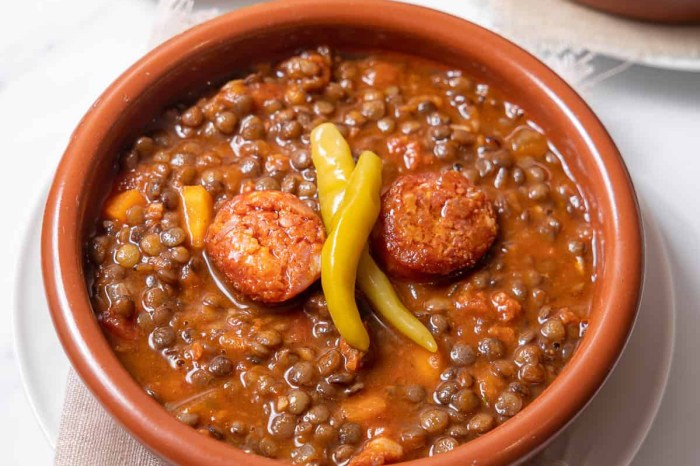
Having assimilated the various problems with the British approach to chorizo, let us take away two key lessons from this: first, avoid altering traditional Spanish recipes – or if you must, be ready to face some passionate backlash. Second, when in doubt, leave chorizo out. After all, food is far more than mere nourishment – it’s a story that connects us to culture, history, and identity. Honouring it ensures that this rich narrative remains intact for generations to come.



 The Daily Muse
Leave a comment