
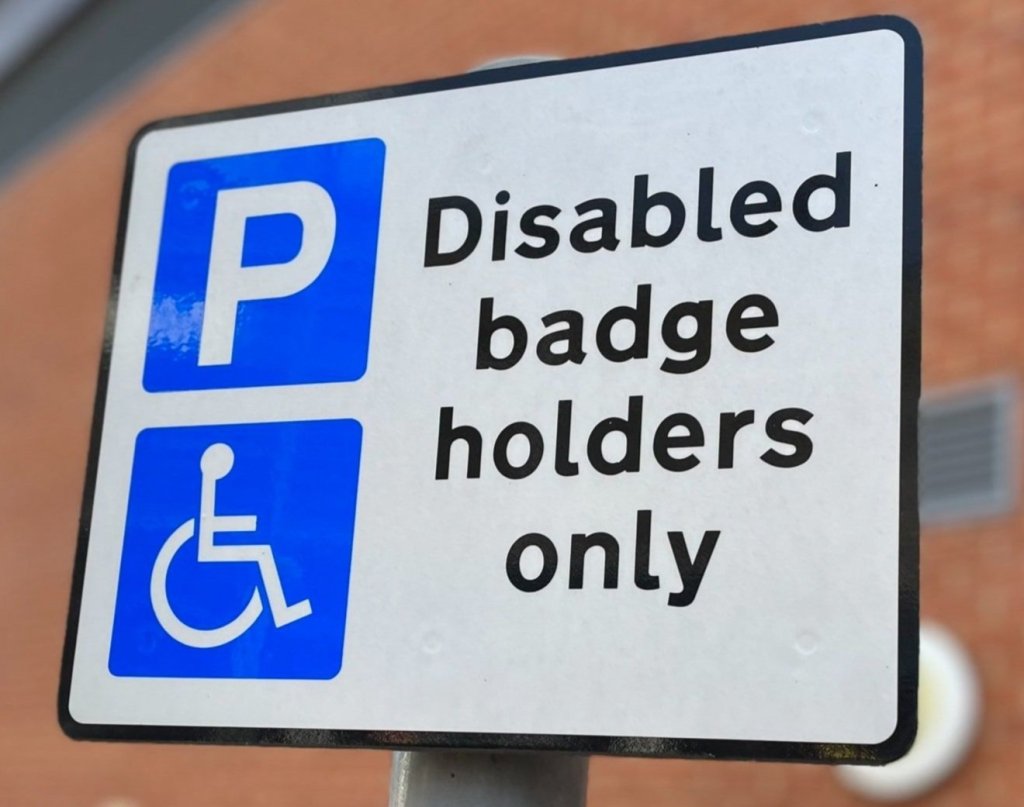
Badges are often stolen and sold to individuals seeking to evade parking fees
First introduced in 1971 to support individuals with disabilities or health conditions by allowing them to park closer to their destinations, Blue Badges have increasingly become a lucrative target for criminals. Startling figures from the Metropolitan Police reveal a dramatic rise in thefts over the past decade, with more than 36,000 Blue Badges reported stolen between January 2015 and November 2024 – a fourfold increase that highlights a growing crisis.
The rise in Blue Badge thefts mirrors London’s broader crime trends. According to Statista, recorded crimes in the capital surged from 743,728 in 2015/16 to 938,020 in 2023/24. Amid this trend, Blue Badge thefts have surged dramatically. The Metropolitan Police reported 1,230 thefts in 2014, a figure that has risen nearly every year to reach a staggering 6,415 in 2023. This steep rise coincides with increasing parking charges, congestion fees, and a reduction in accessible parking spaces, making stolen badges valuable commodities on the black market.
Stolen Blue Badges are often sold illegally to people seeking to evade parking charges, but the real victims are those who genuinely rely on these permits. Paul Stowey, Founder of Blue Badge Fraud Investigations, told the BBC that “on average, 18 Londoners a day find themselves a victim of crime because they are disabled”.
Mike Scarlet, an expert in accessibility and inclusion and a repeat victim of Blue Badge theft, explained the profound impact of these crimes on him: “When I don’t have it, it shrinks my world”, he said, highlighting how the loss of his badge severely limits his mobility and independence.
The emotional toll of these thefts is shared by individuals like Roxanne Hughes from Bromley, whose six-year-old son’s Blue Badge was stolen. In an interview with the Evening Standard, she expressed her anguish: “I feel that my son’s disability has been exploited for financial gain, and I’m unsettled that his photo on the badge is in the hands of someone who should not have it”.
Labour MP Liam Conlon, one of the few members of parliament who is registered disabled and a Blue Badge holder himself, echoed these concerns. Speaking to the Evening Standard, he stated, “When someone steals a Blue Badge, they’re stealing someone’s independence”. He emphasised that these thefts not only deprive disabled individuals of essential mobility but also restrict their ability to work, socialise, and live normal lives.
Graham Footer, Chief Executive of charity Disabled Motoring UK, highlighted the financial incentive behind these crimes: “With the Blue Badge, you can save a lot of money in London, and that’s where we get a high percentage of badges stolen”.
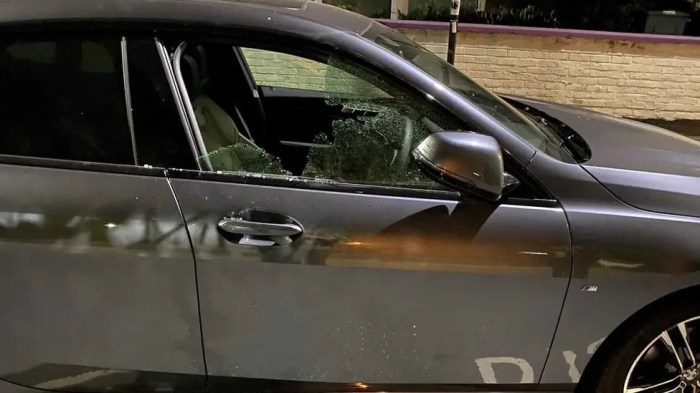
Mary, 33, from Essex, experienced firsthand the devastating impact of Blue Badge theft. While dining at a restaurant in north London in August 2021, a motorbike rider smashed her car window and stole her Blue Badge. Reflecting on the experience, Mary explained how it has changed her lifestyle: “When I’m going to unfamiliar places, I try not to use my Blue Badge”.
In response to the alarming rise in Blue Badge thefts, some local councils, including Islington and Wandsworth Borough, have introduced ‘Blue Badge theft declaration forms’. These forms, completed after reporting the theft to the police, aim to streamline the process for victims.
A report from the London School of Economics suggests a direct link between the cost-of-living crisis and a surge in acquisitive crimes like theft, robbery, and burglary. The Mayor of London, Sadiq Khan, highlighted this issue during a landmark speech on 14 March, 2024, calling for a national strategy from the Government to address the complex causes of crimes. He noted, “When the cost of living went up by 10%… crime went up by 8%”. Addressing economic pressures, he argued, could lead to a reduction in Blue Badge thefts and other crimes.
Various other strategies have been proposed to tackle the issue:
- Companion Badges: Some suggest replacing Blue Badges with companion badges, which are tied to a vehicle’s registration plate rather than an individual. However, these badges are currently limited to specific boroughs, such as Croydon, and are not universally recognised.
- Enhanced Badge Inspections: Increasing the scrutiny of Blue Badges by traffic wardens is another potential solution. Criminals often exploit the assumption that badges won’t be thoroughly checked. Graham Footer of Disabled Motoring UK told the BBC, “the ability to be able to spot fraud and misuse needs to be a part of traffic warden training”.
- Blue Badge Protectors: Encouraging badge holders to use protective devices could also help deter theft. Lockable Blue Badge protectors, which can be secured to a vehicle’s steering wheel, provide an additional layer of security, though their cost – sometimes up to £50 – can be a barrier for some.
Megan Barnett, Policy and Public Affairs Officer at Transport for All, spoke about the lack of meaningful action to the Evening Standard: “It’s outrageous that disabled people are left dealing with the consequences of crime, but little is done to deter it”. She urged local authorities to take a tougher stance against thieves and crack down on the illegal misuse of badges, emphasising that disabled individuals should not have to bear the burden of these crimes.
This alarming trend underscores the urgent need for greater protections and stricter enforcement to safeguard those vulnerable in society. Blue Badge theft is more than a property crime – it’s an attack on independence and mobility. Addressing the broader societal factors driving crime, coupled with targeted local measures, will be essential to safeguarding the rights and independence of Blue Badge holders.


 The Daily Muse
Leave a comment